


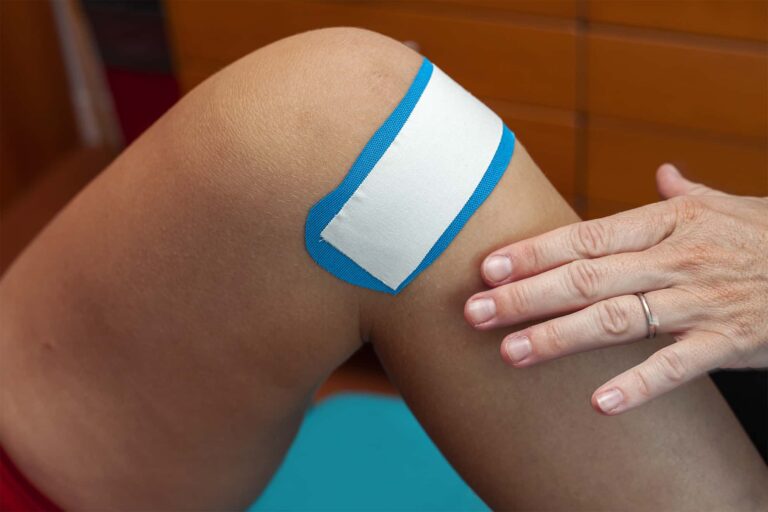
Knee distortion
With a knee sprain, it is important to have the knee examined to rule out injury. For more information about a twisted knee click here.

Fysioplein is the specialist in the region of The Hague, Delft and Rotterdam in the field of rehabilitation for meniscus complaints after surgery or without surgery.
More about your rehabilitation for meniscus complaints
Want to know more about rehabilitation for meniscus complaints? Read more on this page or make an appointment with one of our physiotherapists.
Treatment of a meniscus complaint
The duration of the treatment of a meniscus complaint depends on the goals you have set, whether you have had surgery and where the tear is or has been. Read more on this page.
I would like to make an appointment
Do you suspect that you have a meniscus complaint or have you undergone meniscus surgery, make an appointment here.
There are two menisci in the knee: one on the outside of the knee and one on the inside of the knee. The main function of the meniscus is shock absorption. The meniscus sits between the upper leg and lower leg and ensures that the bone parts do not touch each other.
A tear can occur in the event of a (sports) trauma or aging of the meniscus. The knee often becomes swollen and painful on the inside or outside. With certain meniscus tears, a 'lock feeling' can occur. The knee cannot bend or extend further and is more or less locked in one position. You often see that the inner meniscus is affected, but the outer meniscus can also tear.
If you suspect you have a meniscus problem, have it assessed by one of our physiotherapists. If necessary, we can ask your GP to refer you to an orthopedist for further assessment and a plan of action.
Not every meniscal tear requires surgery, but if the tear is such that surgery is necessary, the orthopedic surgeon can remove the broken section (meniscectomy) and in some cases stitch it (meniscopexy).
When the broken part is removed, the shock-absorbing function decreases and the risk of wear and tear (arthrosis) may increase.
After meniscus surgery, it is important that you start physiotherapy quickly (within about a week after surgery).
Your rehabilitation is specifically aimed at the goals you have set. The first phase focuses on getting the pain and swelling under control. This is followed by strength training to eventually make the transition to sports-related exercises. These phases apply to both meniscus complaints where no surgery has taken place and meniscus complaints after surgery.
During the intake, your knee problem will be mapped out on the basis of an interview and a physical examination.
After the intake, a treatment plan is drawn up and discussed. It states what the best treatment is for you and you can start with the rehabilitation.
If you have meniscus complaints, you will be treated according to one of our care plans. This care plan has been specially developed for meniscus complaints and shows good results.
Tests are taken at fixed times and questionnaires are completed to monitor your rehabilitation. The outcome is evaluated and the treatment plan adjusted if necessary.
Initially, individual appointments will be made with you. As soon as the knee allows you to train in our exercise room, we will start working there to improve the knee's load-bearing capacity in order to ultimately achieve your specific goals. This will be done in groups with a maximum of three people in the group per treating physiotherapist.
To treatmentsAfter surgery, depending on the procedure, you will walk with crutches for the first few days, gradually increasing to about two weeks. Only when the knee is fully extended and shows minimal swelling can you gradually reduce crutching, in consultation with your treating physiotherapist. Once you are 'crutch-free' and have a normal gait, you may cycle outdoors again and start driving.
In the exercise room, you train to optimize knee mobility and regain strength. At regular intervals, tests are administered and questionnaires completed to track your progress and tailor the follow-up plan accordingly.
The total rehabilitation after meniscus surgery takes six weeks to six months, depending on the surgery.
If no meniscus surgery has taken place, rehabilitation takes approximately 4 months, but depends heavily on the goals you want to achieve.
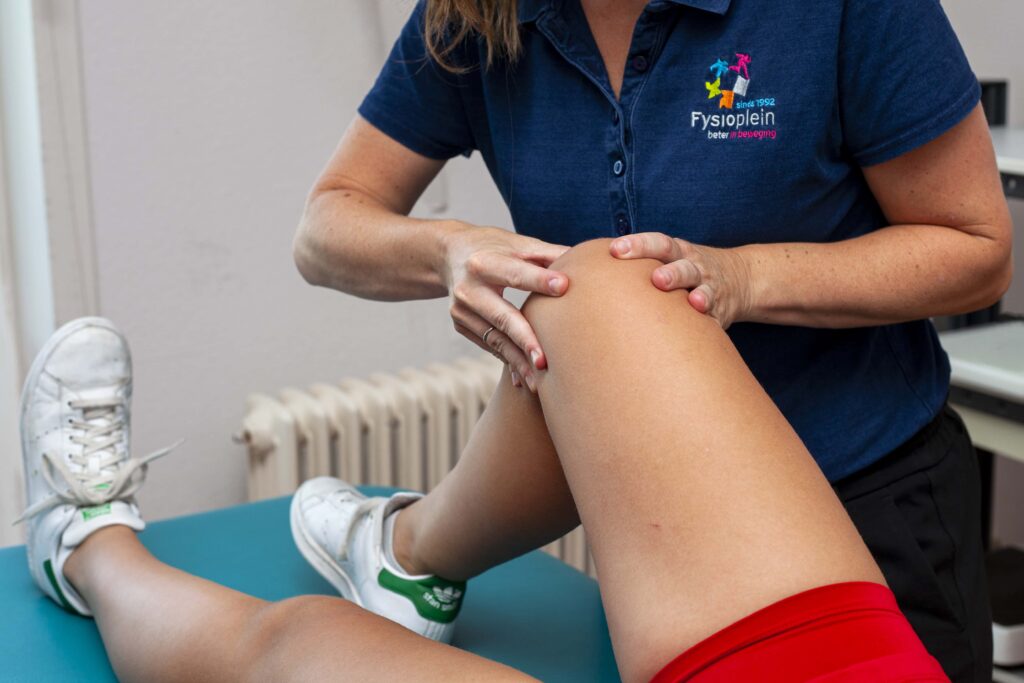
In the rehabilitation of meniscus complaints, in addition to exercise therapy, your walking pattern (if you want to do sports) will also be examined and shoe advice will be scheduled. Good shoes are essential to prevent another meniscus injury. If you have the right shoes, we will look at your walking pattern. For this, you will participate in the walking training of one of our physiotherapists. You will be guided in phases in resuming your sport.
With a knee sprain, it is important to have the knee examined to rule out injury. For more information about a twisted knee click here.
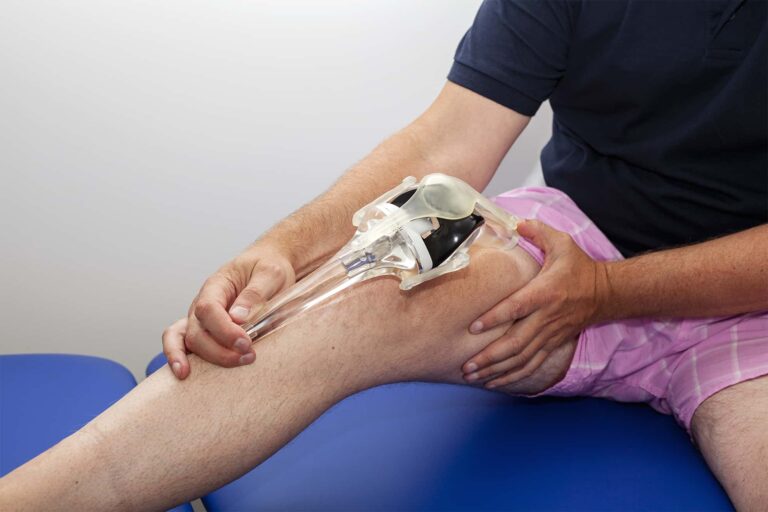
The duration of the treatment after knee replacement strongly depends on the goals you set for yourself. Read more about the rehabilitation on this page.
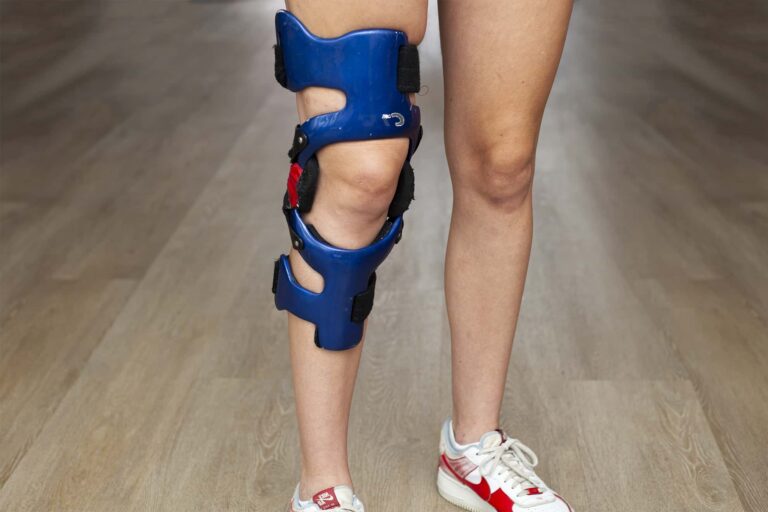
In case of wear of the knee joint there are still good physiotherapy treatment options that can reduce your complaints. Want to know more? Click here.
If your complaint is not listed on our site, please contact us. Based on a conversation and physical examination, assess what may be the matter. Then we can draw up a plan of action with you.